
Loan application in New Zealand can feel overwhelming, but this guide simplifies essential steps and requirements clearly.
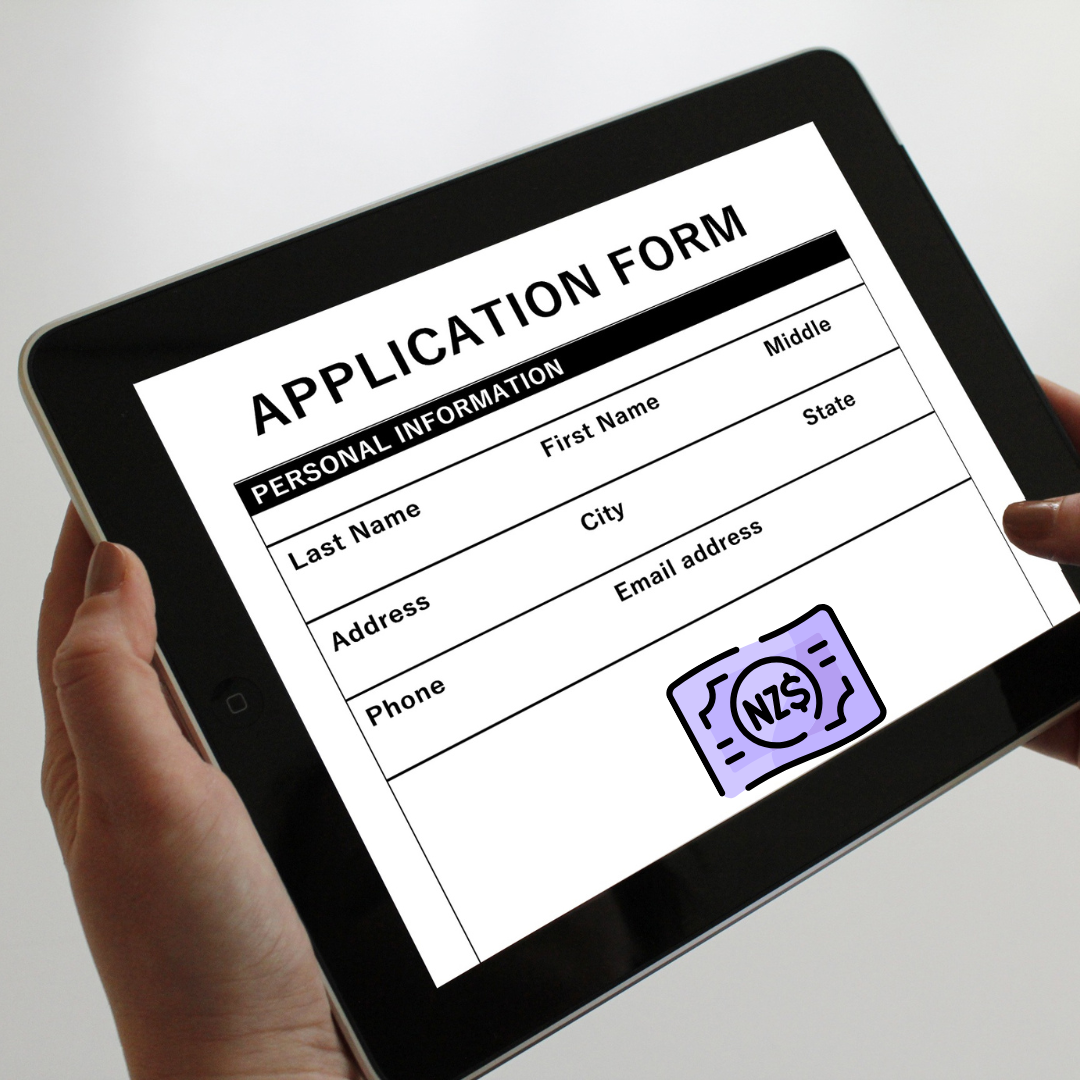
When starting a loan application, knowing the right steps can save you time and effort. This article will walk you through the initial stages of applying for a loan, highlighting the key documents you’ll need and addressing common concerns, such as whether you can apply without being a customer of the lending institution.
One common question borrowers have is about the timeline of the loan analysis process. This introduction will give you a clearer picture of how long it typically takes, along with tips on how to efficiently track your application status. By the end, you’ll be armed with the knowledge needed to approach your loan application with confidence.

Navigating the Loan Application Process
Understanding the loan application process can feel overwhelming at first, but a little preparation goes a long way. Start by identifying the type of loan you need, whether it’s personal, home, or another variety. Research reputable banks and lending institutions. Their websites often provide detailed guidance. Taking time to understand these basics ensures you make informed decisions and choose an option best suited to your financial needs.
Before submitting an application, gather all necessary documents, such as proof of income, identification, and recent financial records. Having these materials ready can speed up the process and reduce potential delays. Being organized from the beginning also helps lenders review your application more efficiently.
It is also important to compare interest rates, repayment terms, and additional fees offered by different lenders. Small differences in loan conditions can have a significant impact on the total amount you repay over time. Careful comparison allows you to find a loan that matches both your budget and long-term financial goals.
Essential Documents for Your Loan Application
Preparation is critical for a smooth loan application. Commonly required documents include identification, proof of income, and bank statements. If you’re self-employed, you might need to provide additional financial records, such as tax returns or business financials. Knowing what’s required in advance will help streamline the process, allowing you to focus on meeting any additional lender-specific requirements that might surface during the review.
It’s also beneficial to check your credit profile before applying for a loan. Reviewing your financial information can help you identify potential issues that may affect approval. Addressing these concerns early can improve your chances of securing favorable loan terms. A stronger credit profile may also provide access to better interest rates and repayment options.
Additionally, maintaining accurate and up-to-date documentation demonstrates financial responsibility to lenders. Clear records can make the verification process faster and reduce the likelihood of requests for additional information. This preparation helps create a more efficient and stress-free application experience.
Timelines: How Long Does Loan Analysis Take?
The loan analysis timeline can vary, depending on the lending institution and the complexity of your application. Many lenders follow a standardized process, taking anywhere from a few days to a few weeks to analyze a loan application. Factors like thorough documentation and application clarity can expedite approval. Understanding this timeline helps manage expectations and plan ahead for any future financial commitments.
During the review process, lenders may verify employment details, income sources, and credit history to assess financial stability. Responding promptly to any requests for additional information can help prevent unnecessary delays. Maintaining open communication with the lender often contributes to a smoother experience.
It is also important to remember that approval times can differ based on loan type and individual circumstances. More complex applications may require additional evaluation before a final decision is reached. Staying informed throughout the process helps borrowers prepare for the next steps with greater confidence.
Applying Without Being a Customer of the Bank
Many banks and lenders allow applications from non-customers, though some may offer faster service or better rates to existing clients. The key lies in comparing terms and conditions across financial institutions. Additionally, some lenders might have specific offers or the possibility for negotiation. Don’t let the lack of a pre-existing relationship deter you, and ensure you explore all available options.
When evaluating different lenders, pay close attention to interest rates, repayment periods, and any additional fees that may apply. These factors can significantly influence the overall cost of borrowing. Taking the time to compare offers carefully can help you secure more favorable terms. Even small differences in loan conditions can result in meaningful savings over the life of the loan.
It is also worth reviewing customer service quality and the lender’s reputation before submitting an application. A transparent and responsive institution can make the borrowing process much easier to navigate. Choosing a lender that combines competitive rates with reliable support can provide greater peace of mind throughout the loan journey.
Tracking Your Loan Application Status
Once your application is submitted, stay proactive by tracking its status. Many institutions offer online portals or mobile apps to keep you updated. Regular communication with your loan officer also aids in understanding where your application stands. Tracking progress ensures that you’re informed every step of the way and prepares you to swiftly address any unforeseen hiccups, ensuring a smoother journey to loan approval.
If the lender requests additional documents or clarification, responding quickly can help keep the review process moving forward. Delays in providing information may extend the approval timeline unnecessarily. Staying organized allows you to address requests efficiently and avoid potential setbacks. Prompt responses also demonstrate reliability and commitment throughout the application process.
It is also beneficial to review all communications carefully throughout the process. Important updates regarding approval, conditions, or next steps are often shared through email, online accounts, or mobile notifications. Remaining attentive helps ensure that no critical information is overlooked before the loan is finalized.
Conclusion
Understanding the steps in the loan application process is crucial for anyone planning to borrow money. By preparing necessary documents and familiarizing yourself with lenders’ requirements, you can ensure a smoother journey. Remember to compare terms across institutions to find the best fit for your needs and financial situation.
Staying informed and proactive in tracking your loan application status is equally important. Utilize online tools and maintain open communication with your loan officer to address any issues quickly. With these strategies, you’ll navigate the loan application process efficiently, positioning yourself for a successful outcome.